The right NYC neighborhood sets the tone for your whole trip.
First-timers usually win with central Manhattan areas where key sights sit within a 15-30 minute walk or direct subway ride, while repeat visitors often trade a short 10-20 minute train commute for better value and local character in Brooklyn or Queens (There She Goes Again).
We wrote this from our team’s daily experience welcoming guests across trip types. You will get a simple decision framework, honest trade-offs, and neighborhood-by-neighborhood guidance that reflects what actually matters in 2026: transit access, walkability, vibe, and value.
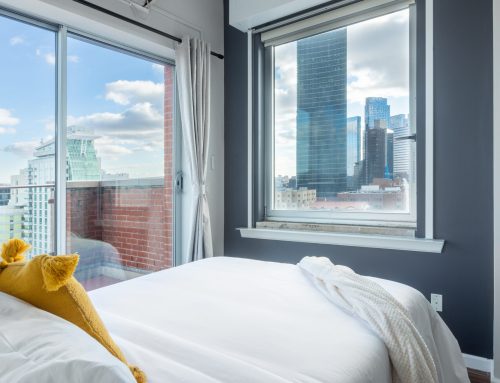
We also explain why Long Island City, home to The Modernist Hotel, gives design-minded travelers quick subway access, skyline views, and a calmer home base without Manhattan premiums.
Key Takeaways
- NYC’s hotel market is vast, so your neighborhood choice directly shapes convenience, vibe, and value. Roughly 114,000 rooms were occupied nightly in 2024, highlighting plenty of options but big variation by area (NYC Comptroller).
- First-timers should anchor where top sights are within 15-30 minutes by foot or direct subway to cut transit friction (There She Goes Again).
- Willing to ride 10-20 minutes on the subway? Brooklyn and Queens often deliver better value without losing access to Manhattan highlights (There She Goes Again).
A Framework for Choosing Your NYC Neighborhood
Use four filters: transit access, walkability, neighborhood vibe, and value. Public health research ties walkability to residential density, intersection density, land-use mix, and transit access, which together make daily movement easier (NYC DOH Walkability Brief). First-timers should apply a 15-30 minute rule to keep major sights close by foot or a direct train (There She Goes Again). If you prefer local scenes and savings, accept a 10-20 minute subway ride from Brooklyn or Queens for better value without losing access to Manhattan (There She Goes Again).
Quick-match prompts:
- Is this your first visit or a return?
- Do you want to walk to multiple sights daily, or are you fine hopping on the subway?
- Is nightlife and dining more important than museum access, or vice versa?
- Do you prefer calm residential blocks at night or buzzy streets?
- How sensitive are you to price versus proximity?
- Do skyline views and waterfront parks matter for your downtime?
First-time vs. returning visitor strategies
First-timers reduce planning load by picking central Manhattan hubs where transit density and mixed uses boost walkability (NYC DOH Walkability Brief). Repeat visitors can shift to Williamsburg, Dumbo, or Long Island City for distinct culture and savings, adding only 10-20 minutes on the subway to reach Manhattan (There She Goes Again).
Manhattan vs. Brooklyn: Weighing the Trade-offs
Manhattan concentrates landmarks, business districts, and much of the city’s hotel activity, which is why it has long been the default for visitors (NYC Comptroller). The upside is unmatched walkability and dense subway coverage. The trade-off is higher average room rates and heavier crowds in tourist cores. Brooklyn offers compelling neighborhoods with strong food scenes, waterfront parks, and skyline views looking back at Manhattan. If you can add a 10-20 minute subway leg, you secure better value without losing easy access to Midtown and Downtown sights (There She Goes Again).
Transit reality check: from Williamsburg, the L train runs directly to 14th Street in Manhattan, with traveler-reported ride times in the 7-11 minute range depending on the train and hour (Community report). That makes Brooklyn feel logistically closer than it looks on a map.
When to choose each
Pick Manhattan if it is your first trip, you have only a long weekend, or your itinerary centers on Midtown museums, Broadway, and icon-hopping. Choose Brooklyn if you want better value, a strong dining and nightlife mix, skyline views, or a quieter base without sacrificing rapid access to Manhattan. If you want the Brooklyn and Queens value play with multiple direct lines into Manhattan, Long Island City is a smart alternative anchored by hubs like Court Square and Queensboro Plaza.
The 10 Best Neighborhoods to Stay in NYC (Ranked by Traveler Type)
Below are concise profiles to match your trip goals. Each highlights vibe, transit access in plain terms, and honest trade-offs. Remember, a central pick that satisfies the 15-30 minute rule reduces daily friction for first-timers (There She Goes Again). Outer-borough picks typically add 10-20 subway minutes but deliver meaningful savings and distinctive scenes (There She Goes Again). With roughly 114,000 rooms occupied nightly in 2024, you will find both global brands and intimate boutiques across these areas (NYC Comptroller).
1. Long Island City (Queens) – Best Value for Manhattan Skyline Views
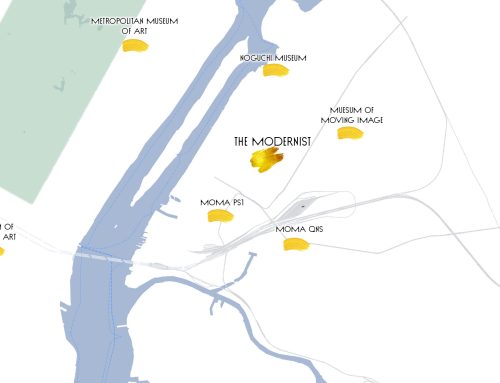
- Why stay: Newer hotels, open views of the Manhattan skyline, waterfront parks, and multiple subway lines that reach Midtown and downtown quickly. LIC pairs value with convenience and a calmer neighborhood rhythm. The Modernist Hotel anchors this experience with suite-style layouts, stylish interiors, and easy access to major trains (The Modernist Hotel; Expedia – The Modernist Hotel).
- Transit access: Hubs at Court Square and Queensboro Plaza offer several lines into Manhattan, making commutes short and predictable (Elliman LIC Guide).
- Best for: Budget-conscious travelers, skyline photographers, business trips to Midtown, design lovers who want boutique style without Manhattan premiums.
- Trade-offs: Residential vibe with fewer tourist attractions at your doorstep, most major sights require a short subway hop.
2. West Village – Best for Design Lovers and Romantic Getaways
- Why stay: Tree-lined blocks, historic architecture, intimate dining, and easy walks to SoHo, Chelsea, and the Hudson River. The area offers a refined, local feel without tourist crushes.
- Transit access: 1 at Christopher Street, and multiple lines at West 4th Street that speed you uptown, downtown, and into Brooklyn (The Wanderbug – West Village guide).
- Best for: Couples, design-focused travelers, food lovers, repeat visitors seeking atmosphere over marquee sightseeing.
- Trade-offs: Higher rates than many Brooklyn or Queens options, smaller room stock in boutique properties, nightlife streets can be lively on weekends.
3. Flatiron District – Best for First-Time Visitors Wanting Central Location
- Why stay: This central grid places much of Midtown and Downtown within a short walk or a direct train, which reduces planning overhead for first-timers. High intersection density and mixed land uses make daily movement simple (NYC DOH Walkability Brief). Guides for newcomers endorse the 15-30 minute rule, which Flatiron satisfies well for major attractions (There She Goes Again).
- Transit access: Multiple 23rd Street stations and nearby Union Square create a dense, flexible hub without Times Square’s crowds.
- Best for: First-timers, solo travelers, business trips needing fast Midtown and Downtown access.
- Trade-offs: Busier weekdays, higher average rates than outer-borough alternatives.
4. Midtown West/Hell’s Kitchen – Best for Theater-Goers and Times Square Access
- Why stay: Quick walks to Broadway, Central Park’s southwest corner, and major transit hubs, with a more residential dining scene along Ninth and Tenth Avenues compared with the Times Square core. Hell’s Kitchen gives access without sensory overload.
- Transit access: Times Square is a major interchange, and westward blocks still keep you close, with frequent trains and crosstown connections. Community discussions routinely point to Hell’s Kitchen as a calmer base just west of the theater district (Community perspective; There She Goes Again).
- Best for: Theater fans, families who want to walk to big-name sights, business travelers near Penn Station or Port Authority.
- Trade-offs: Busy streets, higher rates near marquee venues, tourist spillover closer to Times Square.
5. Williamsburg (Brooklyn) – Best for Hip Travelers and Food Scenes
- Why stay: A thriving dining and bar scene, creative retail, and waterfront parks with commanding Manhattan views. It feels local, social, and easy to navigate.
- Transit access: The L train runs directly to 14th Street in Manhattan with ride times often reported in the 7-11 minute range depending on service and hour (Community report). The neighborhood also connects to the G line for intra-Brooklyn trips.
- Best for: Food and cocktail seekers, returning visitors, travelers who value local character but need rapid Manhattan access.
- Trade-offs: Weekend subway service can vary, nightlife streets can be lively, waterfront hotels and views can command premiums.
6. Lower East Side – Best for Nightlife and Emerging Food Scene
- Why stay: Eclectic dining from legacy delis to new-wave spots, late-night energy, street art, and easy walks to SoHo and the East Village. Downtown neighborhoods like the LES draw design-forward travelers and younger visitors who want nightlife within a short stroll (The Wanderbug).
- Transit access: Multiple downtown lines within walking range keep trips to Midtown and Brooklyn straightforward.
- Best for: Nightlife and dining explorers, younger travelers, those who want edge without leaving Manhattan.
- Trade-offs: Late-night noise on some blocks, boutique rooms can run small.
7. SoHo/Tribeca – Best for Luxury Shoppers and Design Enthusiasts
- Why stay: Cast-iron facades, cobblestone streets, galleries, and luxury boutiques set a refined tone, and the area winds down at night compared with Midtown. These districts often feature boutique hotels that integrate local art and curated spaces, a draw for design lovers (The Wanderbug).
- Transit access: Multiple lines along Canal Street and surrounding avenues shorten rides to Midtown, Brooklyn, and the Financial District.
- Best for: Luxury shoppers, design professionals, couples celebrating milestones.
- Trade-offs: Higher average rates, fewer budget dining options on some blocks.
8. Upper West Side – Best for Families and Museum-Goers
- Why stay: Brownstone blocks, Central Park access, the American Museum of Natural History, and Lincoln Center create a calm, family-friendly base (Community note; The Wanderbug). The vibe is residential and relaxed compared with downtown.
- Transit access: Broadway and Central Park West corridors provide north-south coverage and simple crosstown bus options.
- Best for: Families, museum lovers, travelers who prefer quieter evenings.
- Trade-offs: Longer subway rides to downtown nightlife, fewer late-night options than lower Manhattan.
9. Chelsea/Meatpacking District – Best for Art Lovers and High Line Walks
- Why stay: Over 200 galleries, the High Line, Chelsea Market, and the Whitney Museum make this an arts hub with strong food options and waterfront access. It stretches roughly from 14th to 23rd between Sixth Avenue and the Hudson River, offering central but creative energy (Shoot New York City).
- Transit access: Multiple west side lines and 14th Street connections keep Midtown and downtown within easy reach.
- Best for: Art and design travelers, LGBTQ+ visitors, photography fans drawn to the High Line.
- Trade-offs: Popular paths get crowded on weekends, rates reflect central location.
10. Dumbo (Brooklyn) – Best for Waterfront Views and Photo Opportunities
- Why stay: Iconic shots of the Manhattan Bridge, Brooklyn Bridge Park, cobblestones, and a family-friendly waterfront. Dining is upscale, and the area is rich in photo spots.
- Transit access: A and C at High Street, F at York Street, and the NYC Ferry provide multiple paths to Manhattan and Brooklyn Heights.
- Best for: Photographers, couples, families who want scenery and calmer evenings.
- Trade-offs: Limited late-night options compared with downtown Manhattan, premiums for view-forward locations. Neighborhood-level hotel overviews emphasize the draw of waterfront parks and proximity to both bridges (Expedia – Dumbo overview; The Wanderbug).
NYC Neighborhoods to Avoid for Tourist Stays (And Why)
Times Square hotels place you in relentless crowds, bright signage, and tourist traps. Many travelers prefer staying a few blocks west in Hell’s Kitchen for access without the chaos (There She Goes Again). Social threads also note that some Midtown blocks oriented to deliveries can feel empty at night due to low foot traffic (Community perspective).
Other cautionary picks for most short stays: business-core zones that empty on weekends or ultra-far uptown stretches with long commutes. If you must be near a specific site, balance that with the 15-30 minute rule so you do not trade convenience for nightly dead zones (There She Goes Again).
NYC Neighborhood Comparison Table: Quick Reference Guide
| Neighborhood | Best For | Transit Access | Walkability | Vibe | Top Attraction Within 15 Min Walk |
|---|---|---|---|---|---|
| Long Island City | Value, skyline views, access | High | Medium | Modern, relaxed | Gantry Plaza State Park |
| West Village | Design, couples, dining | High | High | Historic, intimate | Washington Square Park |
| Flatiron | First-timers, business, solos | High | High | Central, efficient | Madison Square Park |
| Midtown W/HK | Theater, families, business | Very high | High | Energetic local | Broadway theaters |
| Williamsburg | Foodies, nightlife, creatives | High | Medium | Trendy, youthful | East River parks |
| Lower East Side | Nightlife, dining explorers | High | High | Edgy, eclectic | Katz’s Delicatessen area |
| SoHo/Tribeca | Luxury, design, shopping | High | High | Refined, quiet pm | Cast-iron blocks, boutiques |
| Upper West | Families, museums, calm nights | High | High | Residential | Museum of Natural History |
| Chelsea | Art lovers, design, food halls | High | High | Artsy, social | High Line, Chelsea Market |
| Dumbo | Photos, couples, families | Medium-High | Medium | Scenic, upscale | Brooklyn Bridge Park |
Walkability relates to density, intersections, mixed uses, and transit access, which together promote walking (NYC DOH Walkability Brief). Transit notes reflect proximity to multi-line hubs mentioned in guides and community reports.
Practical Tips for Choosing Your NYC Neighborhood
- Apply the 15-30 minute rule: map your top sights, then pick a base that keeps them within a short walk or a direct subway ride (There She Goes Again).
- Value trade-off: if you can add 10-20 subway minutes, Brooklyn and Queens often deliver better rates without losing access to Manhattan highlights (There She Goes Again).
- Weekend subways can run less frequently on select lines, so check schedules for your station to avoid surprises.
- Walkability vs. subway dependence: West Village, Flatiron, and Chelsea let you stack multiple attractions on foot; the Upper West Side and Brooklyn require more subway use, which is usually fine for longer stays.
- Seasonality: warm months favor rooftop bars and riverfront parks; colder months favor Midtown and museum clusters.
- Basic safety: all recommended areas are fine with normal urban awareness. If streets empty late, use rideshare.
Why The Modernist Hotel Offers the Ideal NYC Neighborhood Experience
Our home in Long Island City gives you rapid subway access to Midtown and Downtown, skyline views at the waterfront, and a calmer, design-forward base that many guests prefer after busy days. The Modernist Hotel pairs suite-style layouts and stylish interiors with quick walks to multi-line hubs at Court Square and Queensboro Plaza (The Modernist Hotel; Elliman LIC Guide). Guests often highlight the balance of space, value, and access compared with equivalent boutique options in Manhattan, where rates trend higher.
We live the art-first approach. Our team steers guests to local galleries, MoMA PS1, and rotating cultural events, and we happily secure tables at LIC favorites or spots across the river. If you want boutique design, easy transit, and room to breathe, our location makes New York feel effortless (Expedia – The Modernist Hotel).
Frequently Asked Questions: NYC Neighborhoods for Tourists
What is the best neighborhood for first-timers?
- Flatiron or Midtown West. They keep classic sights within the 15-30 minute rule and offer dense subway coverage without staying in Times Square itself (There She Goes Again).
Is it better to stay in Manhattan or Brooklyn?
- Manhattan wins for pure walkability to landmarks. Brooklyn offers better value and vibrant local scenes if you can add 10-20 subway minutes (There She Goes Again). From Williamsburg, the L train reaches 14th Street in roughly 7-11 minutes in traveler reports (Community report).
Should I avoid Times Square completely?
- Visit it, do not sleep there. Stay a few blocks west in Hell’s Kitchen to keep access without the constant crowds (There She Goes Again).
How important is subway access?
- Critical. Multi-line hubs reduce transfers and expand your range, which effectively makes neighborhoods feel more central (NYC DOH Walkability Brief).
Final Recommendations: Matching Neighborhoods to Trip Types
- First-time visitors, 3-4 days: Flatiron or Midtown West for maximum walkability and direct trains (There She Goes Again).
- Returning visitors seeking local flavor: West Village, Williamsburg, or the Lower East Side for food scenes and nightlife within strolling distance (The Wanderbug).
- Couples and design-forward trips: West Village, SoHo, or Dumbo for architecture, galleries, and scenic walks.
- Families: Upper West Side for Central Park and museums, plus calmer evenings (The Wanderbug).
- Budget-conscious or longer stays: Long Island City or Williamsburg for value with short subway hops to Manhattan (Elliman LIC Guide; Community report).
- Art lovers: Chelsea’s galleries and the West Village’s creative heritage, plus MoMA PS1 in LIC.
Conclusion
Location shapes everything in New York, from how easily you get around to the energy you return to at night. First-timers usually thrive in central Manhattan districts that satisfy the 15-30 minute rule, while repeat visitors often unlock better value and strong local scenes by adding a short subway ride from Brooklyn or Queens (There She Goes Again). If you want boutique design, skyline views, and rapid access without Midtown crowds, consider The Modernist Hotel in Long Island City for a balanced, art-forward base (The Modernist Hotel; Elliman LIC Guide).
Ready to match your trip to the right neighborhood and lock in dates? Book direct with The Modernist Hotel for our best rates and tailored neighborhood planning from a team that lives and breathes NYC transit, dining, and culture.
References
- Tourism’s Role in New York City’s Economy
- Measuring the Walkability of New York City Neighborhoods
- Where to Stay in New York City
- Community transit timing report for the L train
- Neighborhood Guide: Long Island City
- The Modernist Hotel NYC
- The Modernist Hotel on Expedia
- West Village Neighborhood Guide
- Chelsea & Meatpacking District Guide
- Dumbo Neighborhood Hotel Overview
- Community perspective on Upper West Side
- Community perspective on Midtown night feel