Short answer: Choose a Long Island City boutique hotel
if you want a design-forward stay with personalized service, authentic neighborhood access, and quick subway links to Manhattan. Boutique properties are smaller, which helps staff tailor experiences and keeps common spaces calm, while LIC’s creative energy and skyline views add a strong sense of place.
New York City travel has rebounded strongly, and LIC has matured into a vibrant, mixed-use base that feels calmer than downtown Manhattan while staying close to it. Boutique hotels, typically 10 to 100 rooms, lean into design, art, and local partnerships to deliver memorable stays built around comfort and community. This guide breaks down seven clear benefits, using research-backed insights plus real examples from LIC properties like The Modernist Hotel and The Ravel Hotel.
Key Takeaways
- Boutique hotels are smaller, often 10 to 100 rooms, which enables more personalized, customized experiences for guests, according to Les Roches and UNLV.
- LIC offers a calm base with fast access to Manhattan, and Queens accounts for about 24 percent of NYC’s tourism jobs, as reported by the NY State Comptroller.
- Over half of U.S. leisure travelers prioritize experiencing a destination like locals, which boutique hotels support through local guidance, according to GetYourGuide Press.
Why stay in a boutique hotel in NYC?
For a stay that feels local and personal, boutique hotels stand out. New York has a robust inventory of boutique options, with Expedia listing 73 in the city, signaling demand for smaller, style-forward stays. More than half of U.S. leisure travelers also say experiencing a destination like locals is a high priority, which aligns with boutique hotels’ role as neighborhood hosts, according to GetYourGuide Press.
LIC adds convenience and value. Travel activity in NYC has rebounded strongly, and Queens holds about 24 percent of the city’s tourism jobs, underscoring the borough’s importance to visitors. LIC, in particular, offers a calmer vibe with quick subway access to Manhattan, making it a strategic base for both leisure and business stays, as highlighted by the Compass LIC Guide.
What makes a boutique hotel different?
Definition first. Boutique hotels are smaller properties, typically 10 to 100 rooms, that prioritize individuality, design, and a highly personalized guest experience, according to Les Roches. Their size and culture let teams fine-tune the environment and service so each stay feels unique and customized, as noted by UNLV.
Design is not decoration, it is identity. Many boutique and design-led hotels act like living galleries by foregrounding art and culture through curated programs and creative spaces, as described by Design Hotels. This approach contrasts with standardized chain aesthetics and helps properties reflect their neighborhood’s character in tangible ways.
1. Personalized Service and Attention to Detail
Smaller scale creates room for genuine connection. With fewer rooms and flexible operations, boutique hotel teams can interact with guests as individuals and refine touchpoints from check-in to local recommendations, as outlined by UNLV. Service quality drives perceived value, which is a crucial driver of overall satisfaction per the J.D. Power 2023 study.
At The Modernist Hotel, reviews frequently highlight helpful, responsive staff who act as local guides, with one guest calling it a “gem boutique hotel” with “super helpful staff” in LIC, according to a Tripadvisor Review. Many boutique teams also add thoughtful in-room touches. Specific gestures vary by property, which is part of the charm.
2. Unique Design and Local Character
Great boutique hotels build a sense of place. Research on brand identity in hospitality shows successful properties draw heavily on their location, allowing guests to experience the destination psychologically through design cues, as reported by EHL Insights. Many design hotels also feature rotating art or cultural programming that showcases local creatives, according to Design Hotels.
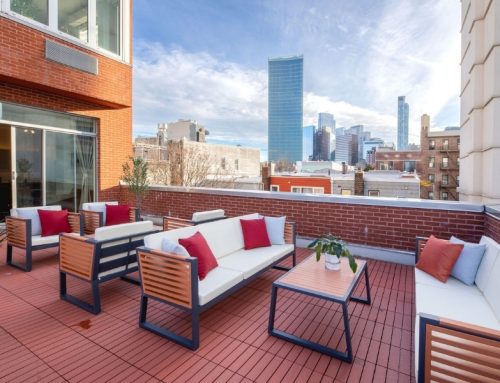
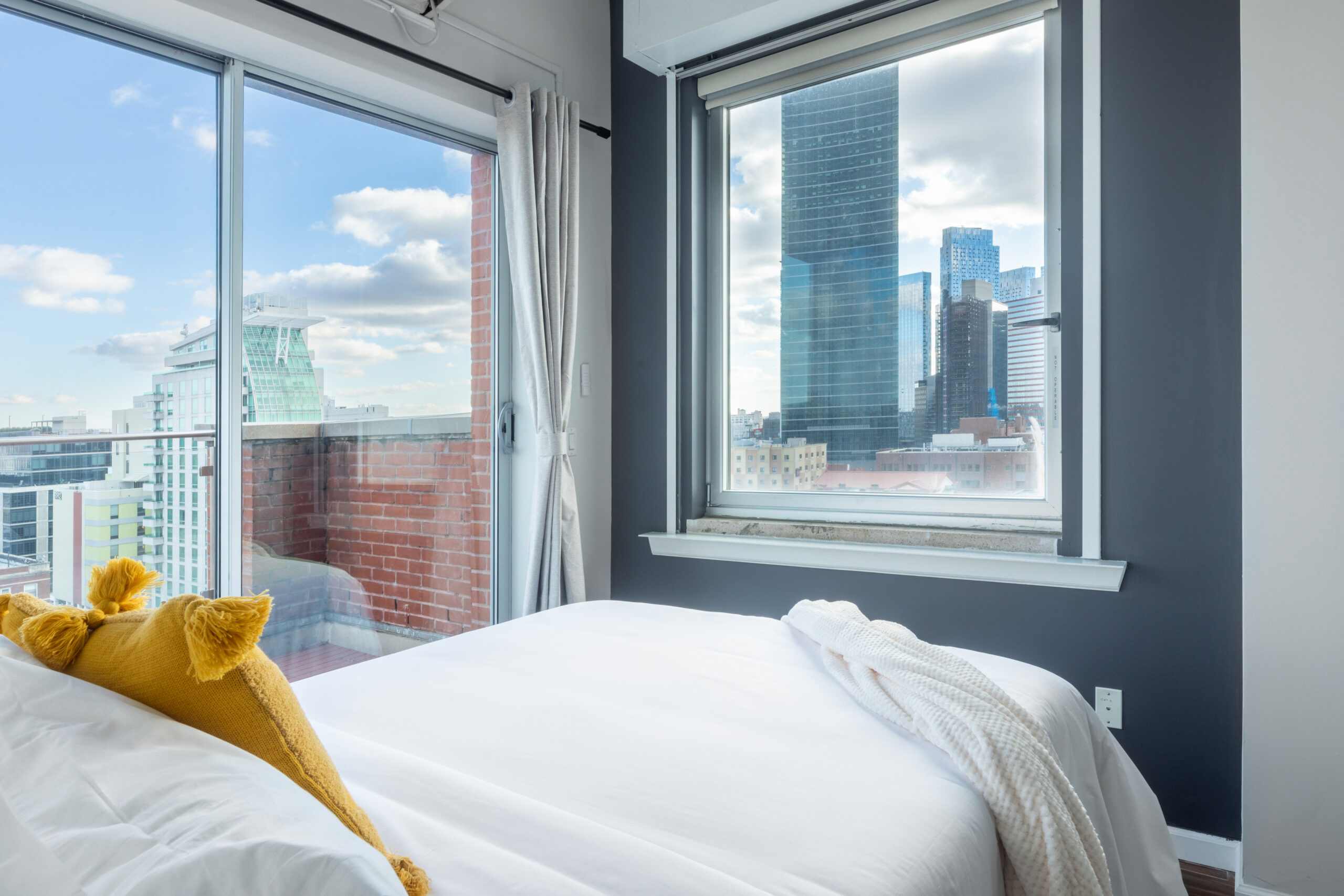
In LIC, setting becomes a feature. The Ravel Hotel integrates its skyline context with rooftop venues and expansive views of the East River and Manhattan, as seen at the Ravel Hotel. The Modernist Hotel leans into a clean, streamlined urban aesthetic that supports city exploration and comfort, as reflected in guest feedback.
3. Community Connection
Travelers want to feel like locals, yet many worry they are not getting it right. More than half of U.S. leisure travelers prioritize local-style experiences, and nearly half worry they may not be doing so effectively, according to GetYourGuide Press. Experiential travel continues to rise, with unique, place-specific moments seen as core trip value, as highlighted by RLA Global.
Boutique hotels often bridge that gap. In LIC, teams frequently point guests to neighborhood coffee shops, family-run restaurants, small galleries, and waterfront parks, embedding stays within the community, as described by the Compass LIC Guide. This local hosting function turns opaque urban options into accessible, meaningful itineraries.
4. Intimate Atmosphere
Fewer rooms usually mean fewer crowds. With typical sizes of 10 to 100 rooms, boutique hotels keep lobbies, elevators, and hallways calmer, and offer more direct access to staff, according to Les Roches. This feels like a refuge after a full day in Manhattan’s energy, as noted by UNLV.
LIC amplifies that calm. Neighborhood guides describe it as a modern, much less hectic answer to downtown Manhattan, which supports the restorative vibe boutique travelers often seek, according to the Compass LIC Guide. Reviewers’ language like “gem boutique hotel” further signals a sense of discovery and exclusivity, as seen in this Tripadvisor Review.
5. Curated Amenities
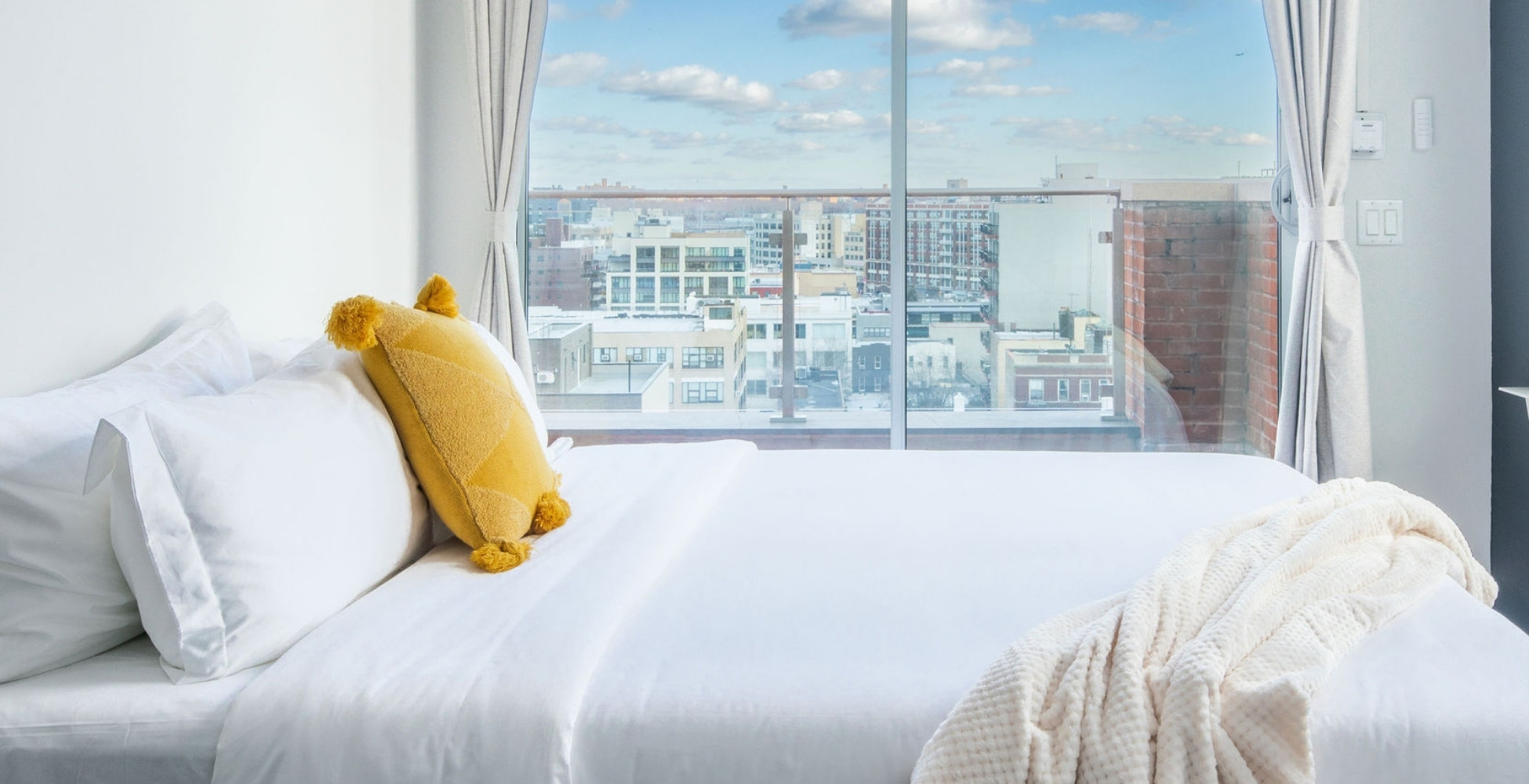
Boutique properties emphasize quality over quantity. Cleanliness, bed comfort, and high-quality linens repeatedly drive guest satisfaction across segments, as shown in this Tripadvisor Review Example. Independent positioning also gives boutique hotels freedom to align amenities with their identity rather than one-size-fits-all standards, as explained by Manchester KY Overview.
LIC examples make this tangible. The Modernist Hotel features in-room kitchenettes with sinks, microwaves, and refrigerators, boosting convenience for longer stays or families, according to Modernist Features. The Ravel Hotel’s rooftop bars and terraces offer open-air views of the Manhattan skyline, turning evenings into a signature experience, as seen at the Ravel Hotel.
6. Convenient, Trendy Locations in LIC
LIC combines neighborhood calm with city connections. Queens holds about 24 percent of NYC’s tourism jobs, and LIC is a key node within that visitor economy, according to the NY State Comptroller. Guides describe LIC as a modern, less hectic counterpart to downtown Manhattan, with sleek high-rises, cultural institutions, and scenic waterfront parks, as highlighted by the Compass LIC Guide.
Visitors also value the quick subway access to Manhattan, often just a couple of stops from LIC stations, according to traveler discussions and local commentary. That connectivity lets guests balance urban exploration with a restful base.
7. Elevated Value for Discerning Travelers
Value is not only about price. J.D. Power identifies value for price paid, given quality and service received, as a key satisfaction driver. Boutique hotels often deliver that value through standout service, distinctive design, and practical amenities.
In LIC, The Modernist Hotel’s kitchenettes allow guests to store groceries and reheat meals, which can reduce dining costs and add flexibility, especially for families and longer stays, as shown in Modernist Features. Many boutique properties also include perks like free Wi‑Fi or flexible check-out, but offerings vary by hotel. The sense of discovery and locality that many travelers seek further enhances perceived value, according to GetYourGuide Press.
A Note on The Modernist Hotel’s Approach
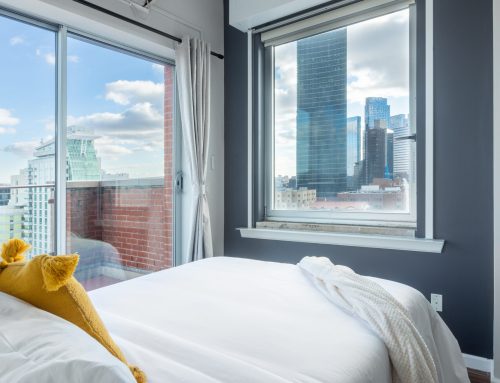
The Modernist Hotel in LIC reflects core boutique values through practical, design-forward comfort and attentive service. Reviews repeatedly cite helpful, responsive staff and describe the property as a “gem boutique hotel” in a vibrant Queens neighborhood, as seen in this Tripadvisor Review. Rooms are noted as comfortable and in excellent condition, with in-room kitchenettes that add day-to-day flexibility, according to Modernist Features.
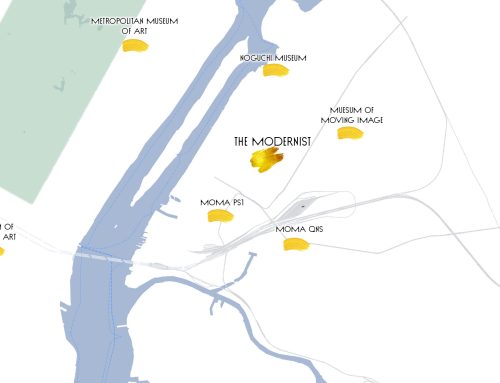
Set within a creative, evolving neighborhood, The Modernist serves as a supportive base for exploring galleries, parks, and dining across Queens and Manhattan, as reflected in Tripadvisor Listing.
Frequently Asked Questions
Quick answers to help you choose the right stay in Long Island City.
What types of travelers are best suited to boutique hotels?
Boutique hotels are ideal for guests who prioritize authentic, community-rooted experiences and personalized service over standardized features. This includes art enthusiasts, food lovers, and business travelers who want a calm base. Anyone aiming to experience a destination like locals will feel at home here. More than half of U.S. leisure travelers say this is a high priority, according to GetYourGuide Press.
Are boutique hotels family-friendly?
Many are. Properties that offer practical amenities such as in-room kitchenettes can be especially helpful for families who want the option to store snacks or prepare simple meals. In LIC, The Modernist Hotel’s kitchenettes add convenience and value for longer stays and family trips, as seen in Modernist Features.
How do boutique hotels compare on price and amenities?
Pricing varies by neighborhood and season, but boutique hotels compete on perceived value, which blends quality, service, and unique amenities. J.D. Power notes that value for price paid, relative to quality and service, is central to guest satisfaction. Curated features like high-quality linens, local art, and kitchenettes can boost overall trip value compared with standardized offerings, as shown in this Tripadvisor Review Example.
Conclusion
Boutique hotels in Long Island City offer a clear blend of benefits for NYC travelers. Smaller scale enables attentive service and calm spaces. Design-forward settings create a strong sense of place. LIC’s growing cultural scene and quick subway access add convenience without the crowds. For many guests, that mix translates into higher perceived value and more memorable stays, a driver J.D. Power links directly to satisfaction, as shown in the J.D. Power study.
Next step: shortlist two or three LIC boutique hotels that align with your style, then compare room features like kitchenettes, bedding, and views. If you value personalized guidance and practical comforts, consider The Modernist Hotel’s LIC location and amenity set as a strong starting point, as described in Modernist Features.
References
- The Tourism Industry in New York City
- How Do Boutique Hotels Differ from Chain Hotels?
- Boutique and Lifestyle Hotels: A Review
- 2023 Travel Trends: U.S. Travelers Aim to Experience Destinations as Locals
- Design Hotels: Art & Culture
- Ravel Hotel
- The Modernist Hotel Features
- Guest Review: The Modernist Hotel
- Compass Neighborhood Guide: Long Island City
- 2023 North America Hotel Guest Satisfaction Index Study
- Expedia: Boutique Hotels in New York